Be yourself; Everyone else is already taken.
— Oscar Wilde.
This is the first post on my new blog. I’m just getting this new blog going, so stay tuned for more. Subscribe below to get notified when I post new updates.
Be yourself; Everyone else is already taken.
— Oscar Wilde.
This is the first post on my new blog. I’m just getting this new blog going, so stay tuned for more. Subscribe below to get notified when I post new updates.
جانوروں کے ساتھ مہربانی اور نرمی کرنا، یہ اس حسنِ سلوک میں سے ہے جو اپنے کرنے والے کو اللہ کے حکم سے جنتوں میں داخل کردے گا۔
سیدنا ابوہریرہ رضی اللہ عنہ سے روایت ہے، مفہوم: رسول اللہ ﷺ نے فرمایا: ’’ ایک بار ایک شخص راستے میں چلا جا رہا تھا، اس کو شدید پیاس لگی، اسے کنواں ملا، وہ اس میں اترا اور پانی پیا جب وہ باہر نکلا تو اس کے سامنے ایک کتا پیاس کی وجہ سے زور زور سے ہانپ رہا تھا اور کیچڑ چاٹ رہا تھا۔ اس شخص نے کہا: اس کتے کو بھی پیاس لگی ہے جیسے مجھے لگی تھی چناں چہ وہ کنویں میں اترا اور اپنے موزے کو پانی سے بھرا پھر اس کو منہ سے پکڑا یہاں تک کہ اوپر چڑھ آیا اس نے کتے کو پانی پلایا تو اللہ نے اس کی قدردانی کی اور اس کو بخش دیا۔‘‘
امام نوویؒ کہتے ہیں : آپ ﷺ کا یہ جو قول ہے (ہر تر جگر والی چیز میں اجر ہے) اس کا معنی یہ ہے کہ ہر زندہ جان دار چیز کے ساتھ حسنِ سلوک کرنا، اس کو پانی پلا کر یا اس طرح کے اور طریقوں سے، اس میں اجر ہے اور ہر زندہ کو تر جگر والے کا نام اس لیے دیا ہے کیوں کہ مردے کا جسم اور جگر خشک ہوجاتے ہیں۔ تو اس حدیث میں ہر قابلِ احترام جانور پر احسان کرنے پر ابھارا گیا ہے اور قابلِ احترام جانور وہ ہیں جن کو مارنے کا حکم نہیں دیا گیا، اور جن کو مارنے کا حکم دیا گیا ہے تو شریعت کے حکم کی تعمیل ان کو مارنے سے ہوتی ہے۔ جن کے قتل کرنے کا حکم ہے وہ حربی کافر، مرتد، کاٹنے والا کتا اور وہ پانچ فاسق جانور جو حدیث میں بیان کیے گئے ہیں اور جو جانور ان کے زمرے میں ہوں۔ رہے وہ جو قابلِ احترام جانور ہیں جن کو پانی پلانے، کھانا کھلانے اور احسان کرنے پر ثواب ملتا ہے خواہ وہ انسان کی ملکیت میں (خریدا ہوا ) ہو یا (جس کو گھر میں رکھنا) مباح ہو برابر ہے۔ خواہ وہ اس کی اپنی ملکیت میں ہو یا کسی اور کی ملکیت میں۔
حضور اکرم صلی اللہ علیہ وسلم کی شانِ رحیمی وکریمی نہ صرف یہ کہ انسانوں کے ساتھ مخصوص تھی ؛ بلکہ آپ صلی اللہ علیہ وسلم کی شانِ رحمة کی وسعت نے جانوروں کے حقوق کے لیے بھی جدوجہد کی اور ان کو اپنے رحم وکرم کے سایہ سے حصہ وافر عطا کیا، جانوروں کے ساتھ نبی کریم صلی اللہ علیہ وسلم کے برتاوٴ اور ان کے حقوق کے ادائیگی کی تاکید ،ان کے ساتھ بہترین سلوک کی دعوت کی روشنی میں اپنے جانوروں کے ساتھ برتاوٴ کا بھی جائزہ لیں کہ کیا ہمارا جانوروں کے ساتھ وہی برتاوٴ ہے جس کی تاکید نبی کریم صلی اللہ علیہ وسلم نے کی ہے ، یاہم جانوروں کے حقوق کی ادائیگی میں کوتاہی سے کام لے کر عذاب اور وعیدوں کے مسحق بن رہے ہیں؟ اللہ کابڑافضل ہے کہ اللہ عزوجل نے چھوٹے سے لے کر بڑے جانور تک کو ہمارے تابع اور زیردست کردیا ہے ، ایک چھوٹا سابچہ ایک بڑے اونٹ کی مہار تھامے لیے جاتا ہے، یہ بس اللہ عزوجل کی کرم فرمائی اورانسانیت کے ساتھ اس کا فضل ہے کہ ایک بڑے جانور کو ایک چھوٹا بچہ بھی اپنے تابع کیے دیتا ہے ،
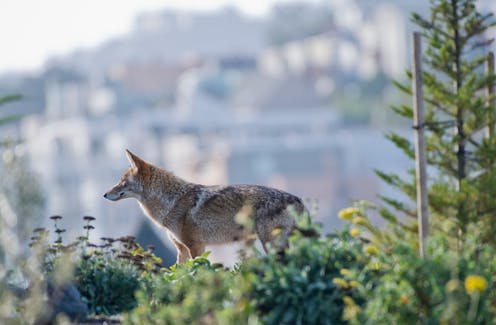
Different societies and
organisations are working in Pakistan to save pets and animals. They also try to find a better home for wandering cats and dogs. Here is a list of Animal Care Organisations and Facebook Pages & Communities that are working for animals welfare and they can help you adopting a pet.
Pakistan Animal Welfare Society (PAWS)
PAWS is a Non-Profit Organization working for animal welfare in Pakistan from 2004. PAWS mission is to create a more just and equitable relationship between humans and animals in Pakistan.
humans and animals in Pakistan.
Animal Care Association Pakistan:
ACAP is Team of Animal Lovers, working hard to Protect the little voiceless angels .Our basic 5 objectives are to Rescue injured and homeless animals ,Provide them Shelter , Feed the hungry animals , provide Medical Aid and create Awareness. The ACAP has five major objects
Rescue animals in need
Provide shelter to the animals
Feed the hungry animals
Medical treatment of the diseased/injured animals
& spread awareness about the welfare of animals
Vets Care Organization, Pakistan:
Vets Care Organization (VCO) is a group of veterinarian and volunteer who are passionate for the better care, treatment and welfare of animals. VCO is dedicated to promote a caring and humane attitude towards all living creatures. VCO is committed to make Pakistan an ideal and cruelty-free environment for animals. Vets Care Organization also organises free vaccination for pets every year on World’s Veterinary Day.

Conservation measures are being taken by various organizations in Pakistan. There are various wildlife parks, wetlands, sanctuaries and game reserves. One of the most vital elements in the continuation of the ecosystem is wildlife and it has thrown in a major deal to the survival and maturity of early mankind. It is still valuable to us. As a part of economic growth and utilization of natural resources men must realize that natural wealth in any biological system are limited and can be depleted hastily without care. Wildlife population needs to be regulated through natural checks and balances. With the improvement and maturity in human being’s hunting abilities, they eventually became a formidable predator and have been responsible for the extinction of many wild animals. Administration of wildlife on scientific basis is now required because of all these factors in order to save wildlife and also make them beneficial to mankind. This payback will be both visual and economic. Summing it all, major efforts are being made to conserve the lasting wildlife and put off its further diminution.

American animal protectionists from earlier centuries might seem unrecognizable today. Most ate meat. They believed in euthanasia as a humane end to creaturely suffering. They justified humanity’s kinship with animals through biblical ideas of gentle stewardship. They accepted animal labor as a compulsory burden of human need. Their sites of activism included urban streets, Sunday schools, church pulpits, classrooms, temperance meetings, and the transnational missionary field. Committed to animal welfare, they strove to prevent pain and suffering. Contemporary animal rights activists, by contrast, believe that animals possess the right to exist free from human use and consumption. Consequently, current activists and their scholarly associates often miss the historical significance of earlier eras of activism. A growing historiography, however, demonstrates the centrality of animal protection to major American transformations such as Protestant revivalism and reform, the growth of science and technology, the rise of modern liberalism, child protectionism, and the development of American ideologies of benevolence.
the animal protection movement was not a wholesale project of policing. Animal advocates preferred prevention over prosecution. Children’s pedagogy became an institutionalized arm of the movement in 1889 when George Angell founded the American Humane Education Society (AHES) as the centerpiece of his holistic “gospel of kindness.” In the served as AHES field secretaries.
The majority of animal protectionists were affluent, native born Euro-American Protestants. Men typically led SPCAs and patrolled the streets as officers, while women generally worked behind the scenes using moral suasion—raising funds, writing appeals, and coordinating educational activities.
The claims of the Nonhuman Rights Project for legal standing rest upon the inseparable histories of human rights and animal protection. Embedded in the history of religion, social reform, and war, early generations of American humane advocates argued that animal kindness was a form of human sanctification. They believed that the status of animals was a conduit for human moral uplift. Yet with the rise of biological explanations for animal-human kinship, animal rights advocates have used the status of vulnerable people to argue that animals, as moral “subjects of a life,” possess the right to legal personhood. Ultimately, this shared history is simultaneously liberatory, conflictual, and entangled
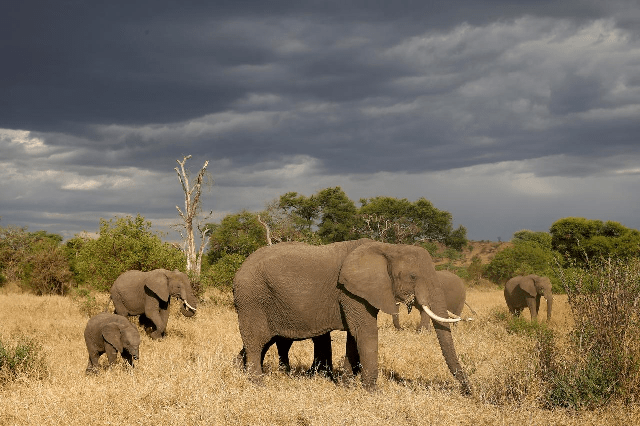

According to Islam, animals are conscious of God. According to the Quran, they praise Him, even if this praise is not expressed in human language. Baiting animals for entertainment or gambling is prohibited.
The Quran explicitly allows the eating of the meat of certain halal (lawful) animals. Although some Sufis have practiced vegetarianism, there has been no serious discourse on the possibility of interpretations of scripture that require vegetarianism. Certain animals can be eaten under the condition that they are slaughtered in a specified way. “Stunning cannot be used to kill an animal, according to the Halal Food Authority (HFA), a non-profit organization that monitors adherence to halal principles. But it can be used if the animal survives and is then killed by halal methods, the HFA adds,” reports the BBC. Prohibitions include swine, carrion and animals involved in Wahhabi (ritual slaughter) in the name of someone other than God. The Quran also states “eat of that over which the name of Allah, hath been mentioned.
slam upholds the rights of animals to kind treatment and justice the same as it does for human being. Animals should not be abused or taken for granted. Allah has informed us that the animals are communities like human beings and have similar rights.
Allah said:
وَمَا مِن دَابَّةٍ فِي الْأَرْضِ وَلَا طَائِرٍ يَطِيرُ بِجَنَاحَيْهِ إِلَّا أُمَمٌ أَمْثَالُكُم
There is no creature on the earth or bird that flies with its wings but that they are communities like you.
Surat al-An’am 6:38
Al-Qurtubi commented on this verse, writing:
هُمْ جَمَاعَاتٌ مِثْلُكُمْ فِي أَنَّ اللَّهَ عَزَّ وَجَلَّ خَلَقَهُمْ وَتَكَفَّلَ بِأَرْزَاقِهِمْ وَعَدَلَ عَلَيْهِمْ فَلَا يَنْبَغِي أَنْ تَظْلِمُوهُمْ وَلَا تُجَاوِزُوا فِيهِمْ مَا أُمِرْتُمْ بِهِ
They are groups like you in that Allah the Exalted has created them, provides for them, and makes justice between them. Thus, you should not wrong them or transgress the limits that you have been commanded.
Source: al-Jāmi’ li-Aḥkām al-Qur’ān 6:38
As we are held responsible for our behavior towards other people, so are we held responsible for our behavior towards animals.
On the Day of Judgment, Allah will restore the rights of every creature including the animals. If we had violated the rights of an animal in the world, then Allah will take retribution on their behalf in the Hereafter.
Abu Huraira reported: The Messenger of Allah, peace and blessings be upon him, said:
لَتُؤَدُّنَّ الْحُقُوقَ إِلَى أَهْلِهَا يَوْمَ الْقِيَامَةِ حَتَّى يُقَادَ لِلشَّاةِ الْجَلْحَاءِ مِنْ الشَّاةِ الْقَرْنَاءِ
The rights of everyone will be restored on the Day of Resurrection until justice is fulfilled, even between the hornless sheep and the horned sheep.
Source: Ṣaḥīḥ Muslim 2582, Grade: Sahih
Abu Huraira, may Allah be pleased with him, said:
يَحْشُرُ اللَّهُ الْخَلْقَ كُلَّهُمْ يَوْمَ الْقِيَامَةِ الْبَهَائِمَ وَالدَّوَابَّ وَالطَّيْرَ وَكُلَّ شَيْءٍ فَيَبْلُغُ مِنْ عَدْلِ اللَّهِ يَوْمَئِذٍ أَنْ يَأْخُذَ لِلْجَمَّاءِ مِنَ الْقَرْنَاءِ
Allah will gather the creation altogether on the Day of Resurrection: the beasts, the creatures, the birds, everything. Then they will seek the justice of Allah on that day, even between the hornless sheep and the horned sheep.
Source: Tafsīr al-Ṭabarī 6:38
One of the most important rights that belong to animals is that they are entitled to our good treatment. Allah rewards our acts of charity that we do for any living creature, all human and animals included. In fact, Allah appreciates mercy, kindness, and empathy for the animals so much that it can result in the forgiveness of our sins.
Abu Huraira reported: The Messenger of Allah, peace and blessings be upon him, said:
بَيْنَمَا رَجُلٌ يَمْشِي بِطَرِيقٍ اشْتَدَّ عَلَيْهِ الْعَطَشُ فَوَجَدَ بِئْرًا فَنَزَلَ فِيهَا فَشَرِبَ ثُمَّ خَرَجَ فَإِذَا كَلْبٌ يَلْهَثُ يَأْكُلُ الثَّرَى مِنْ الْعَطَشِ فَقَالَ الرَّجُلُ لَقَدْ بَلَغَ هَذَا الْكَلْبَ مِنْ الْعَطَشِ مِثْلُ الَّذِي كَانَ بَلَغَ مِنِّي فَنَزَلَ الْبِئْرَ فَمَلَأَ خُفَّهُ مَاءً ثُمَّ أَمْسَكَهُ بِفِيهِ حَتَّى رَقِيَ فَسَقَى الْكَلْبَ فَشَكَرَ اللَّهُ لَهُ فَغَفَرَ لَهُ
Once a man suffered from thirst while he was walking on a journey. When he found a well, he climbed down into it and drank from it. Then he came out and saw a dog lolling its tongue from thirst and licking the ground. The man said: This dog has suffered thirst just as I have suffered from it. He climbed down into the well, filled his shoe with water, and caught it in his mouth as he climbed up. Then he gave the dog a drink. Allah appreciated this deed, so he forgave him.
This is an example post, originally published as part of Blogging University. Enroll in one of our ten programs, and start your blog right.
You’re going to publish a post today. Don’t worry about how your blog looks. Don’t worry if you haven’t given it a name yet, or you’re feeling overwhelmed. Just click the “New Post” button, and tell us why you’re here.
Why do this?
The post can be short or long, a personal intro to your life or a bloggy mission statement, a manifesto for the future or a simple outline of your the types of things you hope to publish.
To help you get started, here are a few questions:
You’re not locked into any of this; one of the wonderful things about blogs is how they constantly evolve as we learn, grow, and interact with one another — but it’s good to know where and why you started, and articulating your goals may just give you a few other post ideas.
Can’t think how to get started? Just write the first thing that pops into your head. Anne Lamott, author of a book on writing we love, says that you need to give yourself permission to write a “crappy first draft”. Anne makes a great point — just start writing, and worry about editing it later.
When you’re ready to publish, give your post three to five tags that describe your blog’s focus — writing, photography, fiction, parenting, food, cars, movies, sports, whatever. These tags will help others who care about your topics find you in the Reader. Make sure one of the tags is “zerotohero,” so other new bloggers can find you, too.
Have a WordPress.com account? Log in now.

